The Sensory Architecture of Hôtel Balzac Paris: A Lesson in Luxury Experience Design
There are places that impress because they are beautiful. And then there are places that stay with the guest because they make them feel something. Hôtel Balzac Paris belongs to the latter category.
Located near the Champs-Élysées in Paris’s 8th arrondissement, Hôtel Balzac describes itself through the language of discreet elegance: sleek spaces, luxurious materials, artistic lighting, a Japanese spa, and rooms inspired by the understated refinement of the 1930s. On paper, these are the familiar codes of luxury hospitality.
But the more interesting question is not whether the hotel is beautiful. It is how that beauty is translated into feeling. In luxury hospitality, the visual identity is only the beginning. The most memorable experiences are built through a sequence of sensory and emotional cues: arrival, scent, sound, texture, service rhythm, lighting, flowers, water, silence, and the removal of friction at exactly the right moments. This is where hospitality becomes brand strategy.
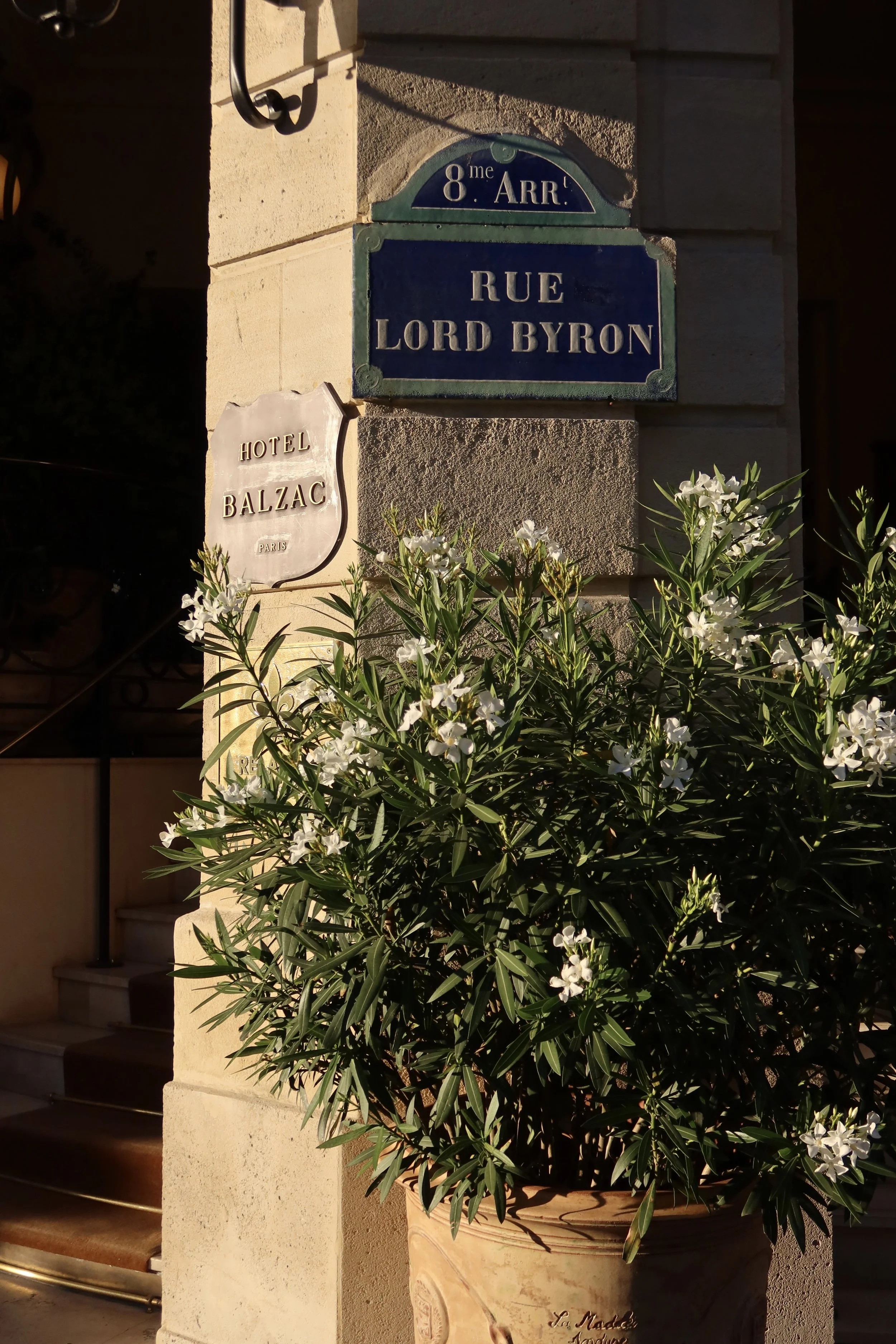
Arrival as Experience Design
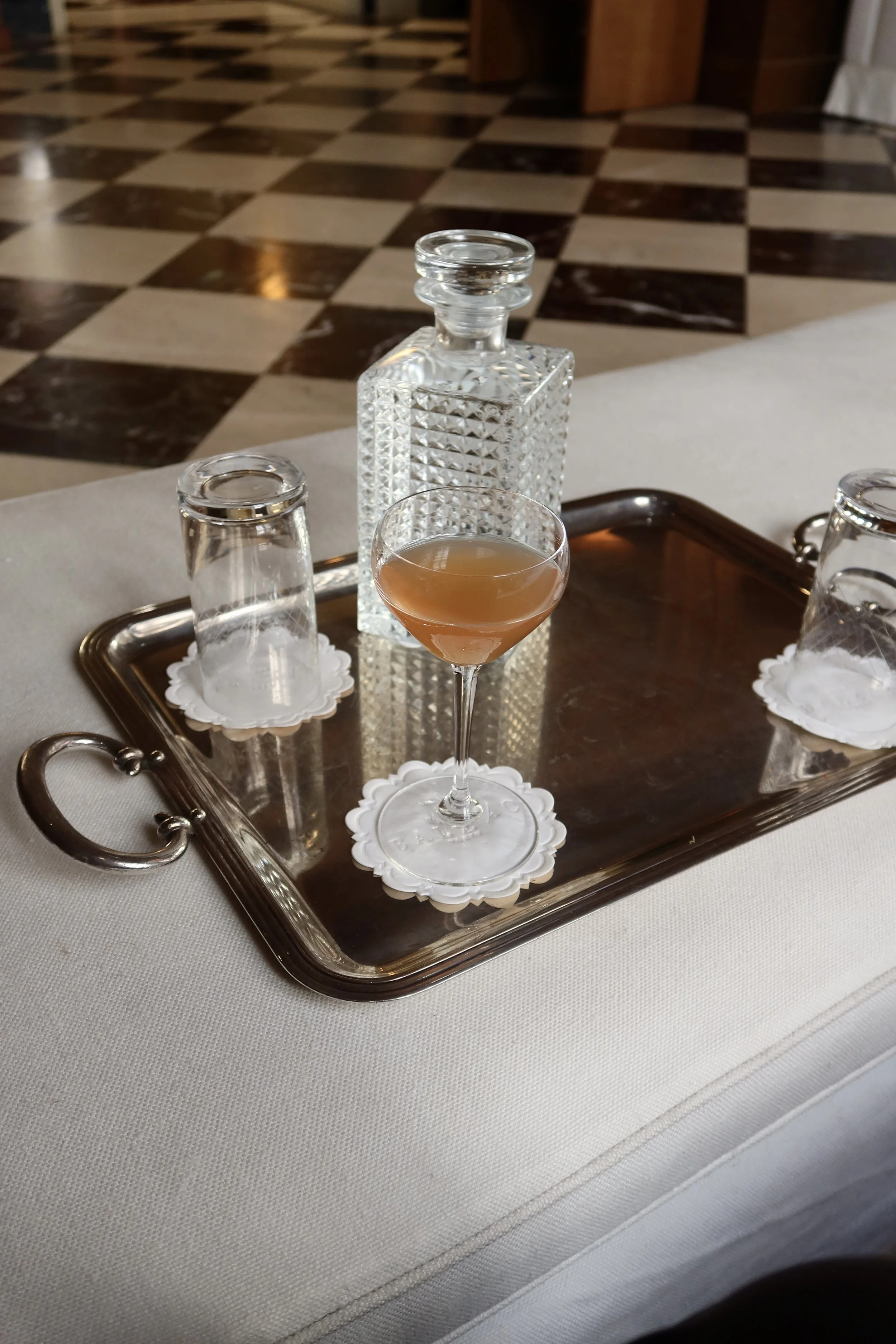
The guest journey often begins before the guest has consciously formed an opinion. At Hôtel Balzac, arrival is not treated as an administrative step, but as the first emotional transition. A guest arriving before check-in is not left to feel like an inconvenience. Luggage is taken care of. Waiting is softened with water, juice, and a calm lounge. The city, still present just outside, begins to feel distant for a moment.
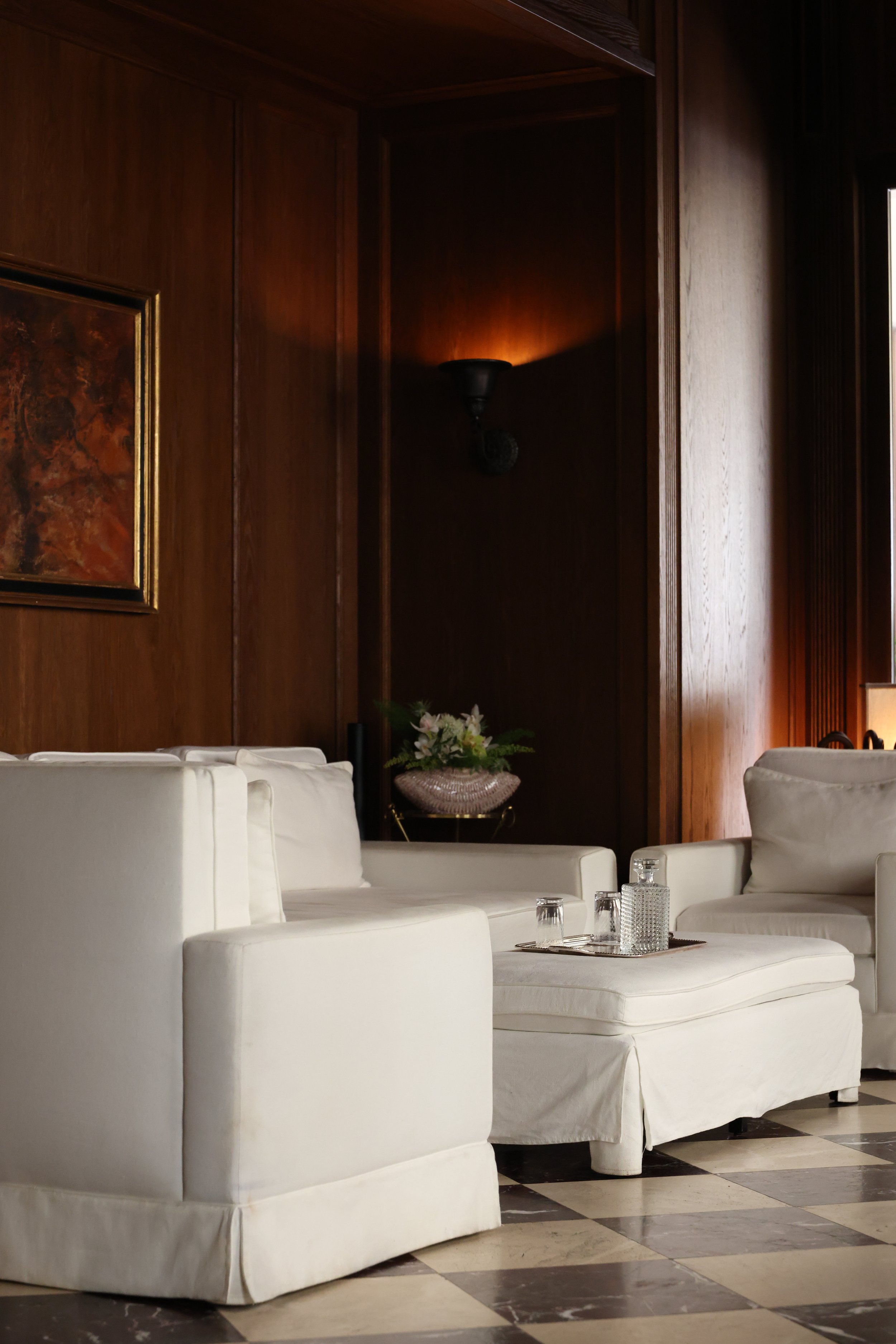
The lounge is quiet, softly lit, and beautifully furnished. It does not feel like a holding space. It feels like the first chapter of the stay. This is one of the first lessons luxury hospitality offers to brands: waiting does not have to feel like waiting when the environment has been designed with care.
Luxury begins not in excess, performance, or over-service, but in the feeling that details have been considered before the guest has to ask. The transition from arrival to room matters just as much. When the room is ready and the bags are already there, nothing needs to be carried, repeated, requested, or corrected. The guest does not have to manage the experience.
This kind of effortlessness is one of the most underrated qualities in hospitality. It removes friction. And in brand terms, friction is often where trust is either built or quietly lost.
The Sensory Architecture of a Stay
Luxury is often discussed through location, reputation, materials, and service. Yet the most memorable details are frequently sensory.
The scent at the entrance.
The softness of the towels.
The texture of the sheets.
The sound of water.
The music in the spa.
The lighting reflected on the walls.
The flowers placed with intention.
The way a room feels calm before anything is explained.
At Hôtel Balzac, these details do not feel accidental. They work together to create a slower rhythm inside the city.
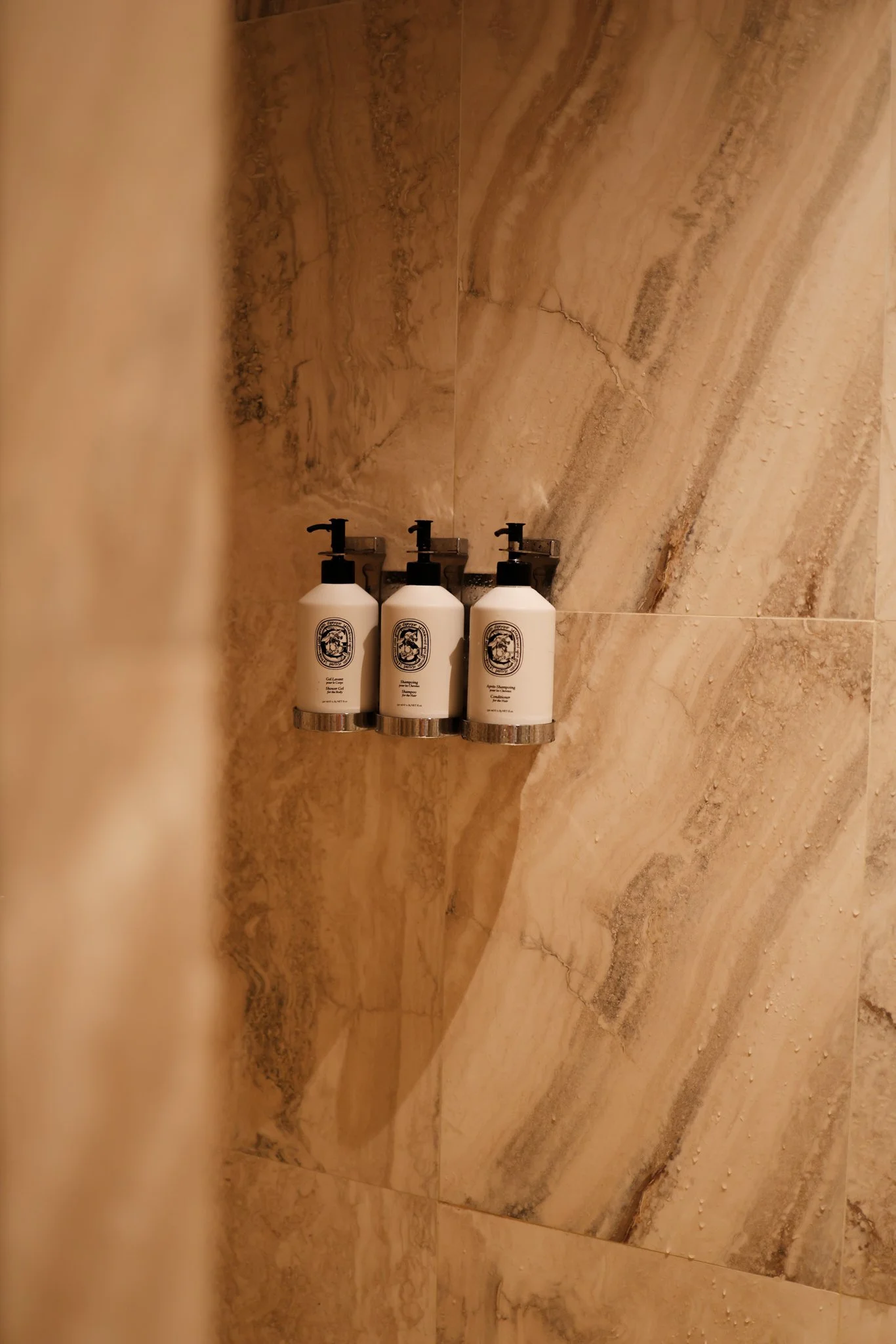
A standard room does not have to feel ordinary when the materials feel chosen rather than simply placed. Bedding that feels soft, cool, substantial, and restful communicates care without needing to announce itself. Large, impossibly soft towels do the same. Diptyque products in the bathroom create a familiar olfactory connection for those who already recognize the brand. These are not decorative details. They are memory cues.
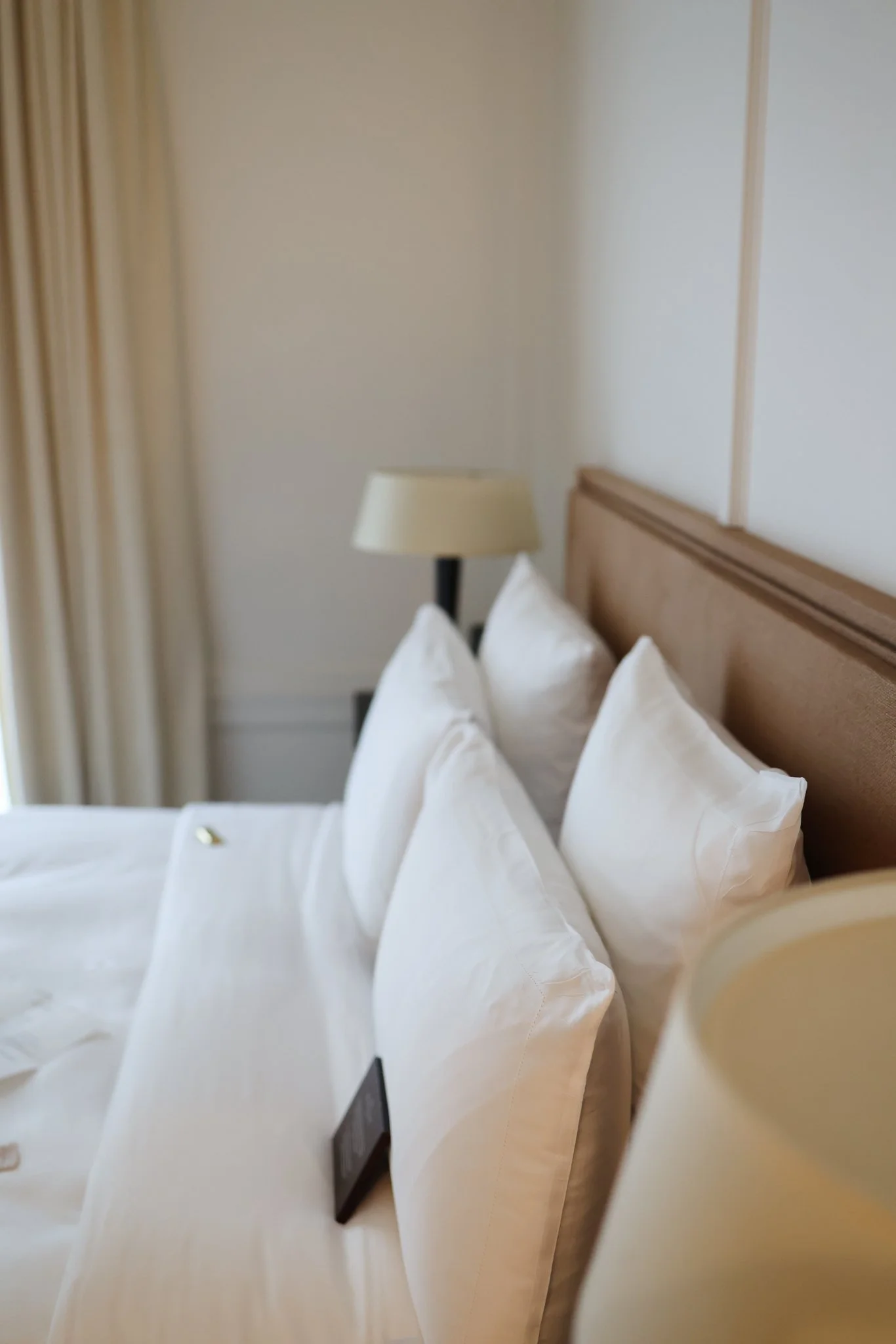
Luxury hotels understand that the guest experience is not built from one impressive moment. It is built through a sequence of sensory signals that together create the feeling of the stay. Scent, sound, texture, light, temperature, service, and silence become part of the brand.
This is where experience design becomes emotional. A hotel does not only provide a room. It shapes the guest’s nervous system. It can either add friction or remove it. It can ask the guest to adapt, or it can quietly make room for them to arrive.
Service as Recognition, Not Performance
In luxury hospitality, service is often mistaken for pampering. But the strongest service is not necessarily the most visible. It is the most attuned.
At Hôtel Balzac, the service feels warm without being overwhelming, attentive without becoming performative. There is recognition in the small gestures: a remembered room number, helpful recommendations, brief conversations at the front desk, and a takeaway coffee before an early morning walk through Paris.
These are not grand moments. They are human ones. That distinction matters. For some guests, luxury means being fully served. For others, it means being given independence while still feeling cared for. The difference lies in whether the staff can understand the person in front of them.
The best luxury hospitality does not flatten every guest into the same idea of service. It reads the individual. This is where belonging is created. Not through over-attention, but through the quiet sense that the guest is seen without being managed.
For brands, this is a valuable lesson. Personalization is not only data, preferences, or automated recommendations. At its best, personalization is emotional intelligence. It is knowing when to appear, when to step back, when to remember, and when to make the experience feel effortless.
The Spa and the Business of Stillness
Spa Ikoï, Hôtel Balzac’s Japanese-inspired wellness space, adds another dimension to the experience: stillness. In a luxury market increasingly shaped by wellness, restoration, and nervous system awareness, the spa is not only an amenity. It is part of the emotional architecture of the hotel.
The pool area is calm and softly lit. Water reflections move gently across the walls. The music is soothing without feeling generic. The atmosphere does not push the guest toward stimulation. It creates permission to slow down. This is an important distinction.
Good experience design does not always need to entertain. Sometimes its highest purpose is to create the conditions for rest. For guests who move between airports, cities, meetings, content, and constant decision-making, stillness itself becomes a form of luxury. The absence of demand becomes memorable.
The spa experience at Hôtel Balzac demonstrates how sensory design can support emotional regulation. Light, sound, water, warmth, and silence work together to help the body settle. In this context, wellness is not simply an added service. It becomes a continuation of the brand promise.
Flowers, Scent, and Emotional Memory
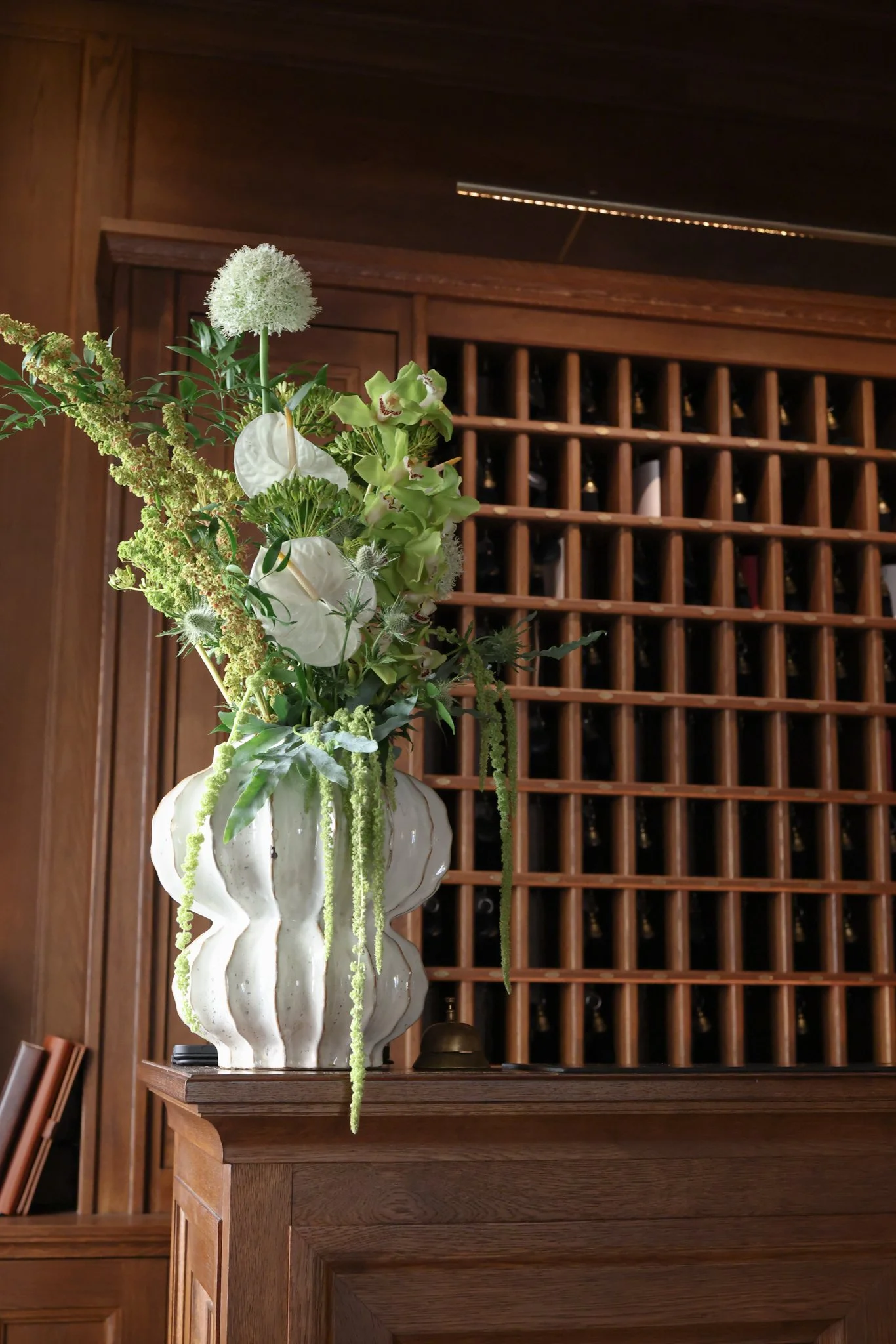
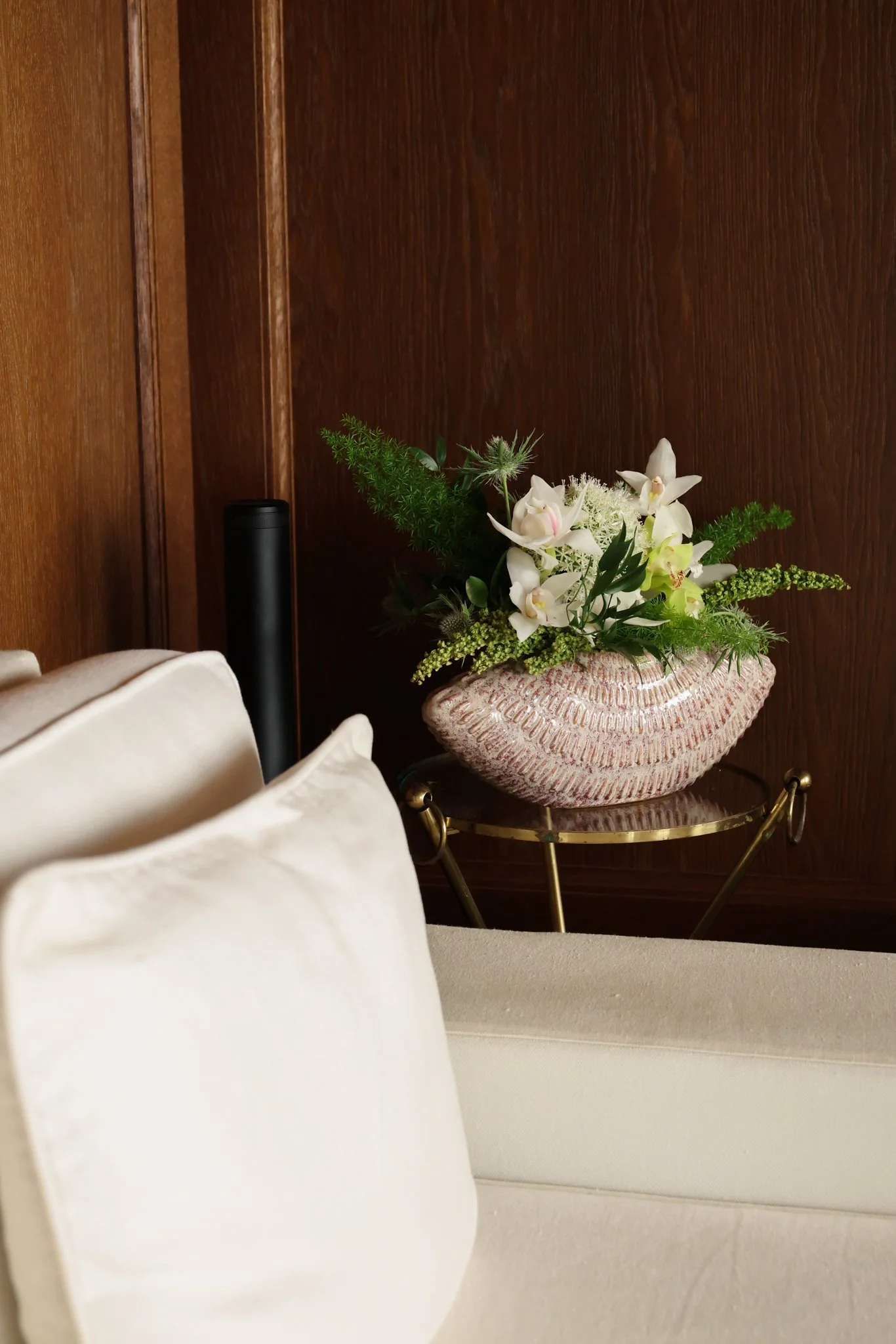
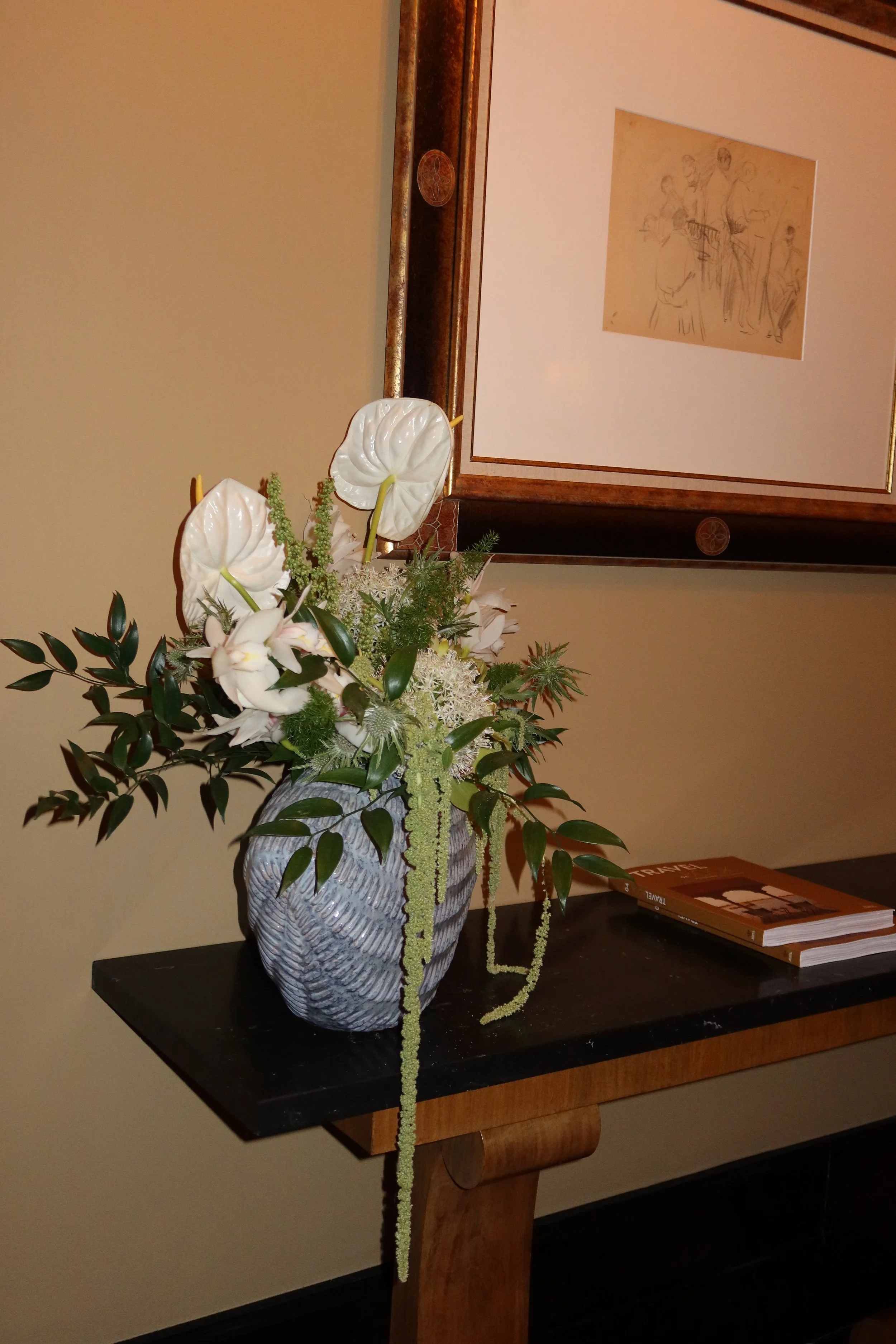
The floral arrangements at Hôtel Balzac deserve their own attention because they illustrate something luxury hospitality understands well: beauty is not only visual. It is atmospheric.
Flowers soften architecture. They bring seasonality into the room. They make a space feel cared for, alive, and emotionally warmer before a word is spoken. In hotels, flowers are often treated as decoration. In the strongest hospitality experiences, they become part of the emotional memory of the place.
The same is true of scent. Diptyque products in a bathroom may seem like a small detail, but scent has a direct relationship with memory. A familiar fragrance can create recognition. A new one can become attached to the stay. Either way, scent extends the experience beyond the visual identity.
This is where luxury becomes difficult to replicate. A competitor can copy a palette, a layout, or a visual trend. It is much harder to copy the feeling created by a precise sequence of sensory and human details.
What Brands Can Learn From Luxury Hospitality
The stay at Hôtel Balzac offers a broader lesson for brands beyond hotels: experience is not what a brand says it is. Experience is what the customer feels as they move through it. A strong brand experience is not built from one impressive detail. It is built from a sequence of details that support the same emotional promise.
Arrival, service, room, scent, texture, flowers, food, spa, lighting, music, and farewell all become part of the same story.
For founders, creative directors, hospitality brands, wellness businesses, retailers, and service providers, the question is not only: what does the brand look like? The better question is: what does the brand feel like to be inside?
Does it remove friction?
Does it create rhythm?
Does it make beauty useful?
Does it turn service into recognition?
Does it design for the body and the senses, not only for the eye?
Luxury hospitality understands this deeply.
People may forget individual features. They may forget the exact room number, the precise menu, or the order of the process. But they remember whether an experience made them feel calm, welcomed, restored, respected, or cared for.
That is the business value of emotional design. Luxury is no longer only about what is seen. It is about what is sensed, remembered, and felt. Hôtel Balzac is memorable not only because it is beautiful, but because the beauty has a purpose.